
Flying With Camera Gear in 2026: How Photographers Can Pack Smarter
For photographers, a carry-on bag is rarely just luggage. It holds the gear that cannot be easily replaced: camera bodies, lenses, memory cards, batteries, and often a laptop.
In 2026, flying with that equipment requires more planning than it used to. Airlines are enforcing size rules more consistently, some low-cost fares no longer include overhead-bin access, and strict cabin-weight limits remain common on international routes. The goal is not to travel without the gear you need—it is to build a kit that is practical, compliant, and protected.
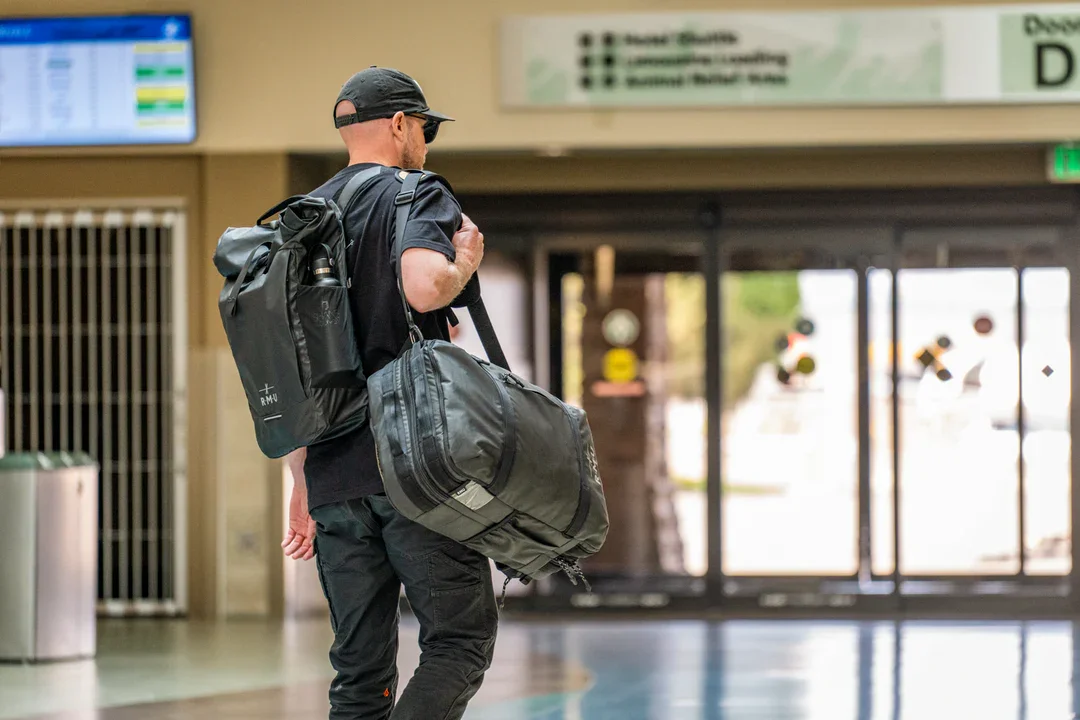
Start with the fare, not the packing list
The cheapest ticket is not always the best value for a photographer. On some fares, your allowance may be limited to a small under-seat personal item, while a full-size carry-on costs extra or is not allowed at all.
Before booking, check three things:
Whether your fare includes an overhead carry-on
Your personal-item dimensions
The size, weight, and number-of-bags rules for every flight in the itinerary
For connecting flights, plan around the strictest airline you will actually fly. A bag that works on one carrier may be too heavy—or count as an extra piece—on the next.
Treat your personal item as the essential gear bag
Overhead space is never guaranteed, especially when boarding late. That makes a compact camera backpack or shoulder bag under the seat your best insurance policy.
Keep your highest-value and most fragile items there:
Camera body and primary lens
Memory cards and hard drives
Spare batteries and power banks
Passport, laptop, and essential accessories
If a larger roller bag is gate-checked, the items you cannot afford to lose or damage should already be with you.
Pack for the trip, not every possibility
The biggest travel-kit mistake is bringing an entire camera collection “just in case.” A lighter, intentional setup is easier to carry, less likely to exceed limits, and often more enjoyable to use.
For many trips, one camera body and two carefully selected lenses will cover the majority of needs. Compact primes, a versatile standard zoom, or a premium fixed-lens camera can dramatically reduce weight without sacrificing creative flexibility.
Ask yourself: What am I actually shooting on this trip? Pack for that answer—not for every hypothetical assignment.
Know the real dimensions of your bag
Camera bags can be deceptive. A backpack may meet the listed dimensions when empty but expand once it is loaded with lenses, chargers, and a tripod sleeve. Thick straps, rigid panels, wheels, and handles can all affect whether it fits in an airline sizer.
Pack your bag exactly as you intend to fly with it, then measure and weigh it at home. A small luggage scale is one of the least expensive tools that can prevent a stressful surprise at the airport.
Keep batteries close and accessible
Lithium batteries and power banks should travel in the cabin, never in checked baggage. If your bag is gate-checked, remove them before handing it over.
Rules around power banks have also become more restrictive on some airlines. They may need to remain accessible, may be prohibited from overhead bins, and may not be usable for charging devices during the flight. Carry only what you need, protect battery terminals, and check your carrier’s current policy before departure.
Use wearable storage carefully
A jacket with secure pockets or a photographer’s vest can help redistribute a little weight during boarding. Wearing a camera around your neck can also keep it out of the bag temporarily.
Still, moderation matters. If your clothing looks like an obvious second carry-on, an airline may challenge it. The best strategy is to travel light enough that these tactics are a backup—not the entire plan.
Have a fallback plan for larger gear
Some equipment simply will not fit within a tight cabin allowance. In those cases, consider checking less-fragile accessories in a protective hard case, shipping equipment ahead, renting specialized gear at your destination, or traveling with a smaller support kit.
Tripods, lighting stands, and nonessential grip gear are often better candidates for checked baggage than cameras, lenses, or batteries.
The new travel mindset
Flying with camera gear in 2026 is less about luck and more about preparation. Know your fare rules, use your personal item strategically, weigh your kit before leaving home, and keep essential equipment with you at all times.
The photographers who travel smoothly are not necessarily carrying the least gear. They are carrying the right gear—and they know exactly how it fits within the rules of their flight.
Inspired by Fstoppers’ guide to adapting photography gear for stricter 2026 carry-on rules.