Mastering Autofocus: The Simple Camera Setting That Instantly Improves Your Photos
If you’ve ever taken a photo that looked sharp on the back of your camera, only to realize later the focus landed on the background instead of your subject’s eyes… welcome to photography. We’ve all done it.
One of the biggest differences between beginner photographers and experienced shooters isn’t necessarily gear — it’s understanding autofocus. Modern cameras are incredibly smart, but they still need direction. Once you understand when to use single autofocus, continuous autofocus, and AI tracking, your hit rate improves dramatically.
And honestly? This is one of the fastest ways to level up your photography without spending another dollar on equipment.
Why Autofocus Matters More Than You Think
Today’s mirrorless and DSLR cameras are doing an incredible amount of work every time you half-press the shutter button. Your camera analyzes distance, movement, contrast, and even recognizes faces, eyes, animals, and vehicles in real time.
But even with all that technology, the camera can still miss focus if you’re using the wrong autofocus mode for the situation.
The good news is that most photography scenarios really come down to understanding three autofocus types:
Single Autofocus (AF-S / One Shot)
Continuous Autofocus (AF-C / Servo)
AI Subject Tracking
Once you know when to use each one, things start clicking fast.
Single Autofocus (AF-S / One Shot)
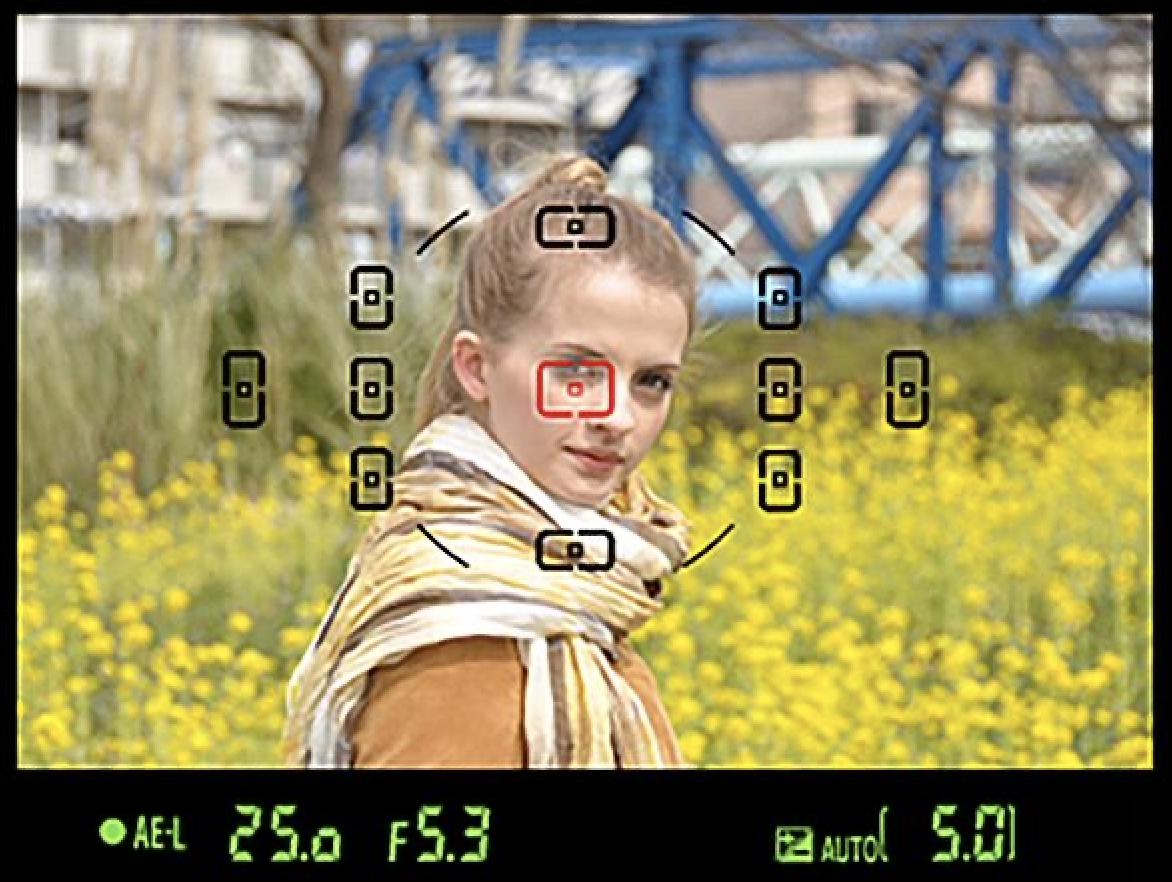

Single autofocus is exactly what it sounds like. The camera locks focus once and holds it there until you take the shot.
This mode works best when your subject isn’t moving.
Think:
Portraits
Landscapes
Architecture
Real estate photography
Product photography
For example, if I’m photographing a luxury property in the Vail Valley or shooting a still portrait outdoors, I’ll often use single autofocus with a specific focus point placed directly on the subject’s eye or a key detail in the frame.
The advantage here is precision. The downside is obvious: if your subject moves after focus locks, your shot can end up soft.
That’s why single autofocus struggles with:
Kids running around
Pets
Sports
Wildlife
Events
If movement enters the equation, it’s time to switch modes.
Continuous Autofocus (AF-C / Servo)
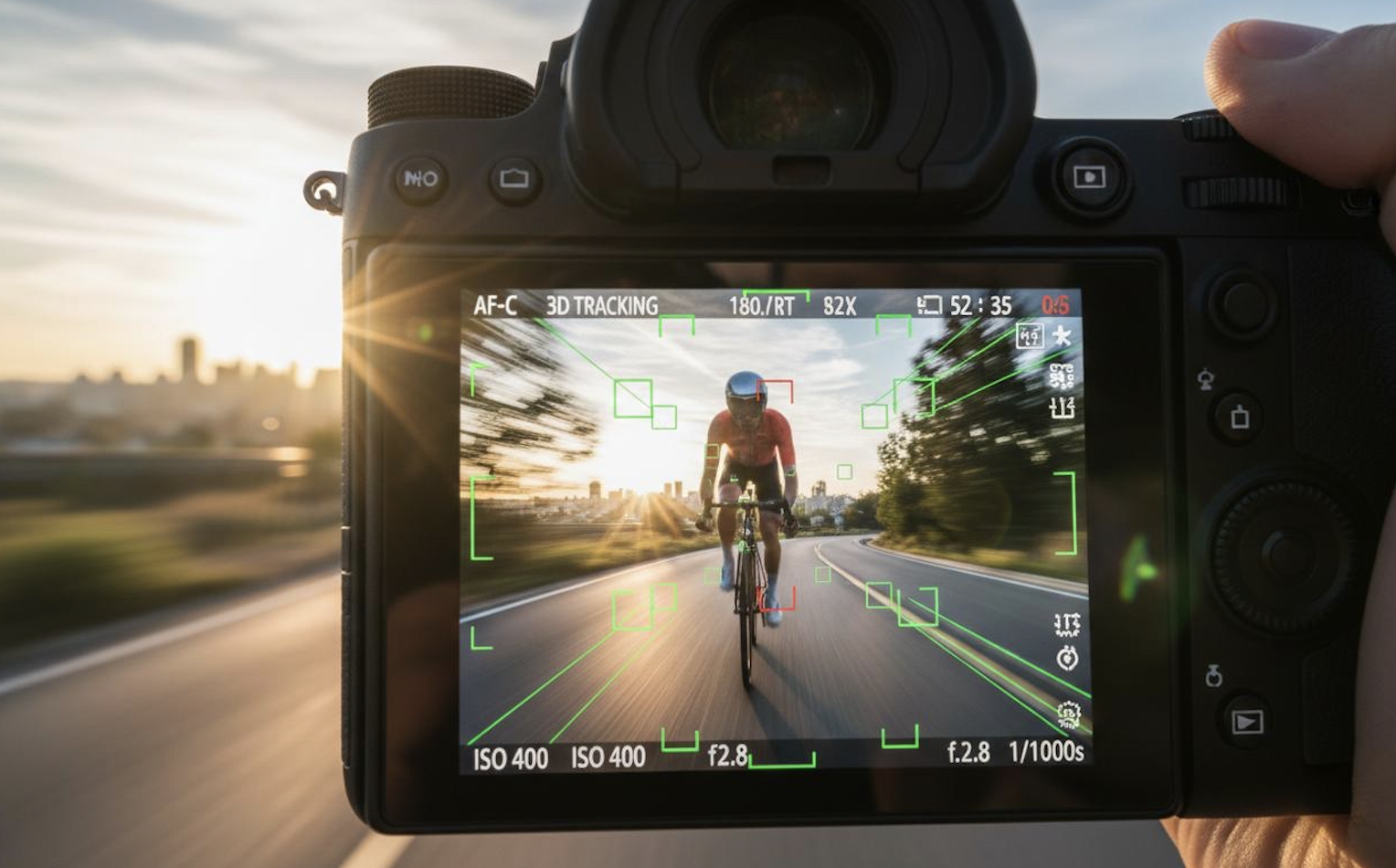
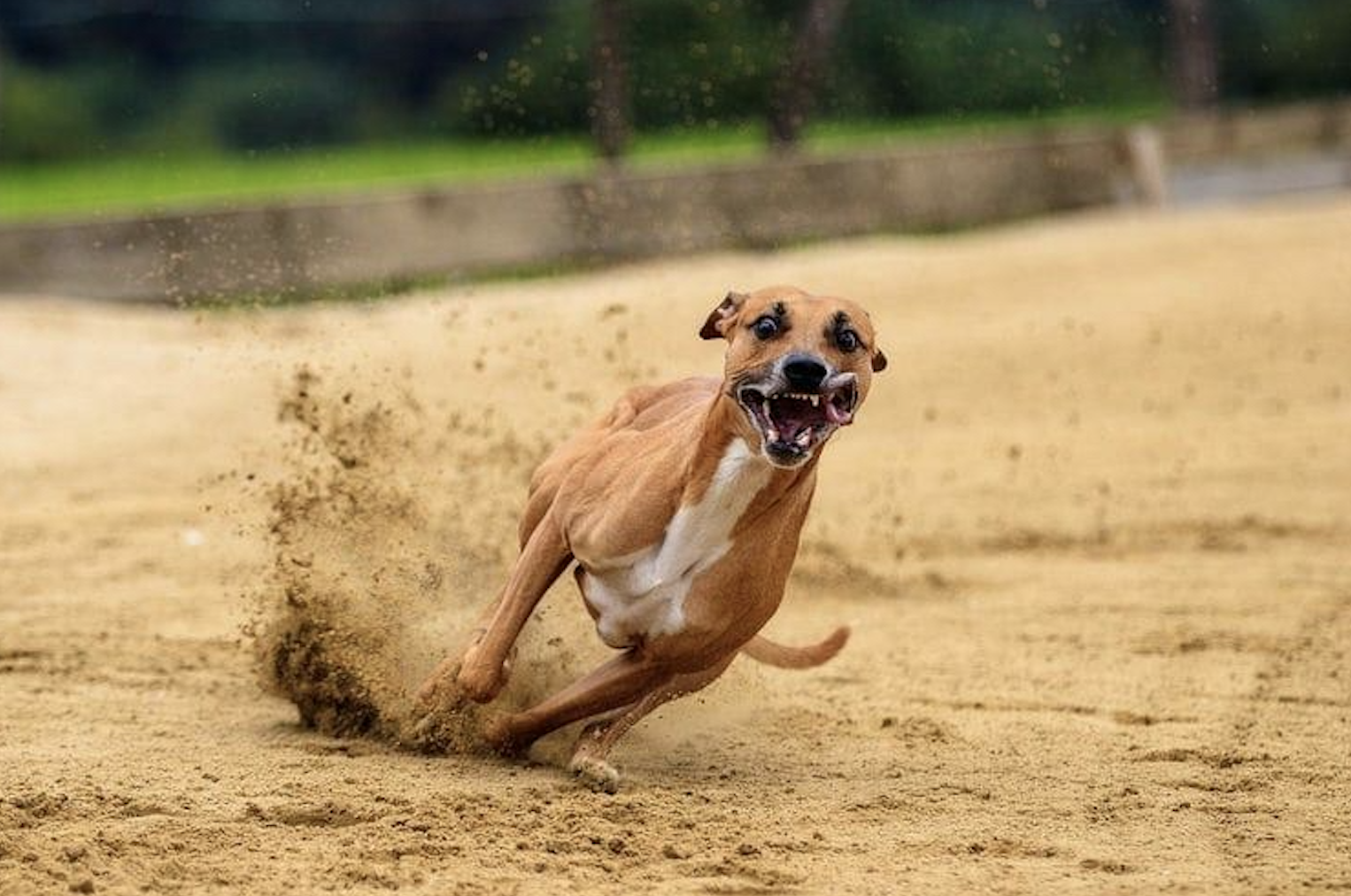
Continuous autofocus constantly adjusts focus as your subject moves.
Instead of locking once, the camera continuously tracks distance changes while you hold the shutter halfway down or use back-button focus.
This is the mode I use most often these days because subjects rarely stay perfectly still. Even during portraits, people shift, sway, or lean slightly forward and backward.
Continuous autofocus shines in:
Sports photography
Wildlife photography
Event photography
Street photography
Kids and pets
Action photography
Modern mirrorless cameras have gotten so good at continuous autofocus that many photographers simply leave it on all the time.
If you’re unsure which autofocus mode to use, AF-C is honestly a safe starting point for most situations.
AI Tracking and Subject Detection
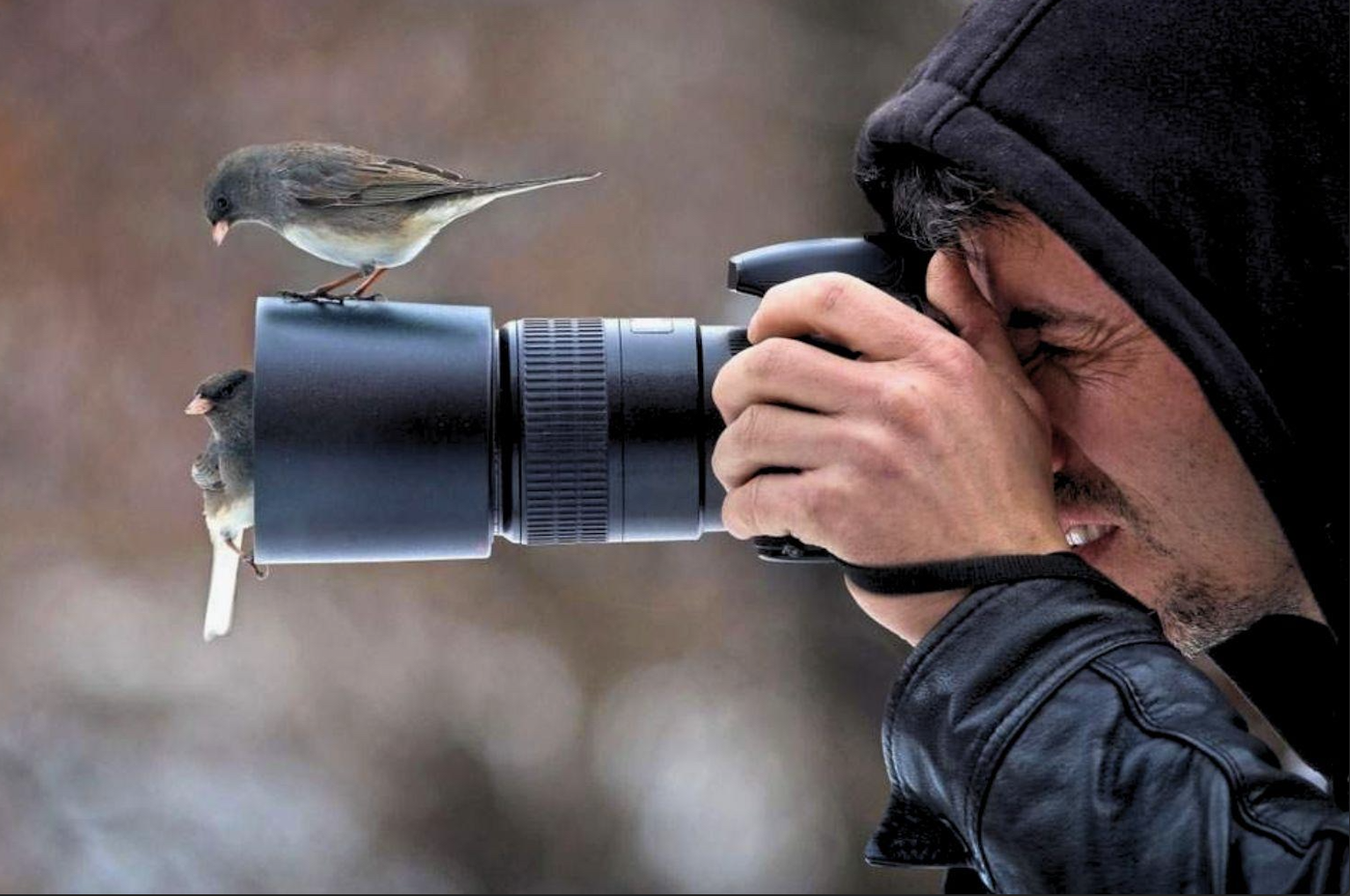
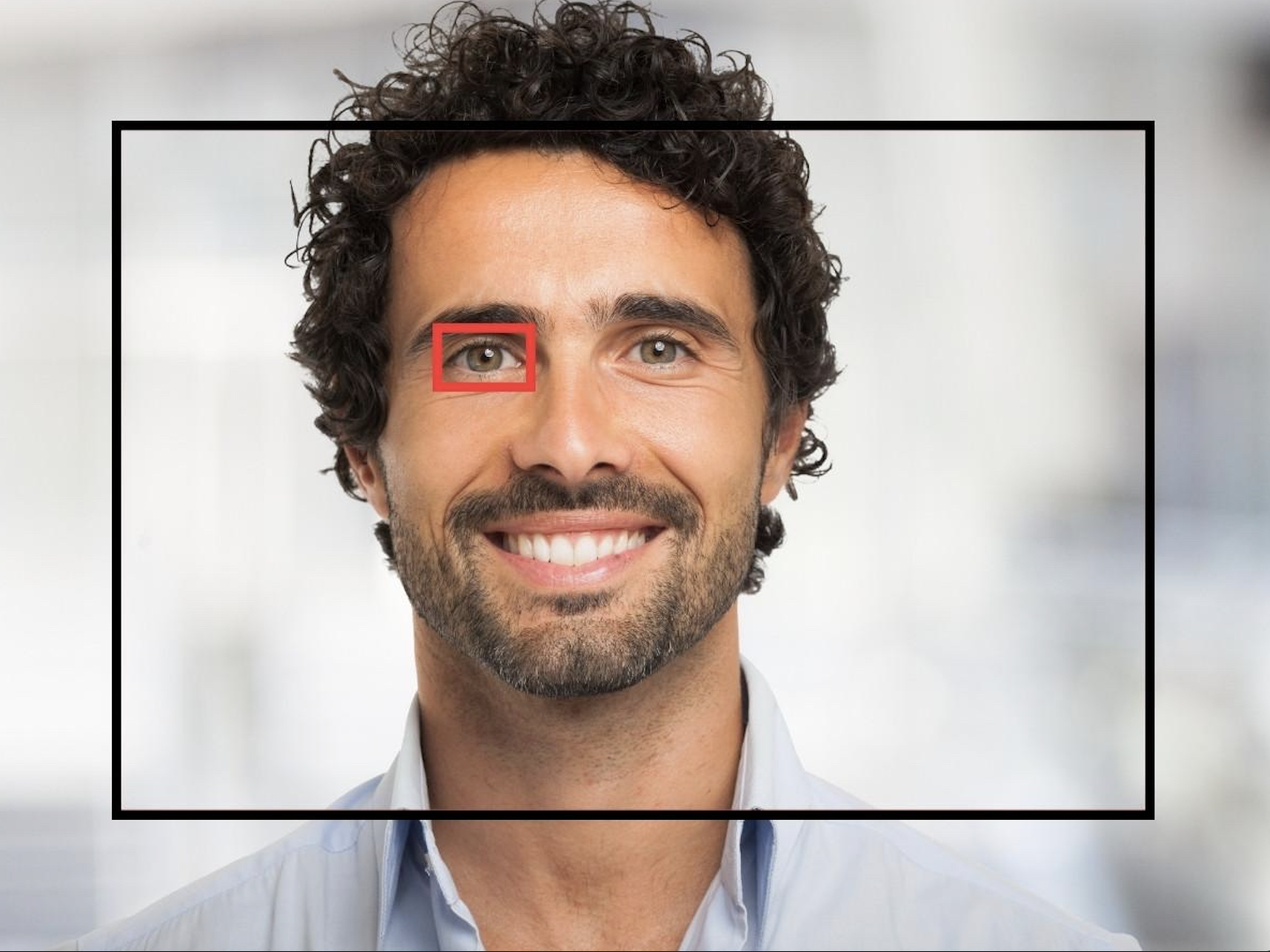
This is where modern cameras start feeling almost magical.
AI tracking uses machine learning and subject recognition to identify and follow:
Human eyes and faces
Animals
Birds
Cars and motorcycles
Even insects on some newer systems
Instead of manually keeping a focus point glued to your subject, the camera intelligently tracks them across the frame.
If you’ve used a newer Sony, Canon, Nikon, or Fujifilm mirrorless camera recently, you’ve probably seen eye-tracking autofocus in action. It’s genuinely game-changing for portrait and event work.
For wedding photographers, wildlife shooters, sports photographers, and content creators, AI autofocus tracking dramatically increases keeper rates.
That said, it’s not perfect.
Sometimes the camera grabs the wrong face in a crowd or focuses on the nearest object instead of your intended subject. Knowing when to override the camera is still part of becoming a better photographer.
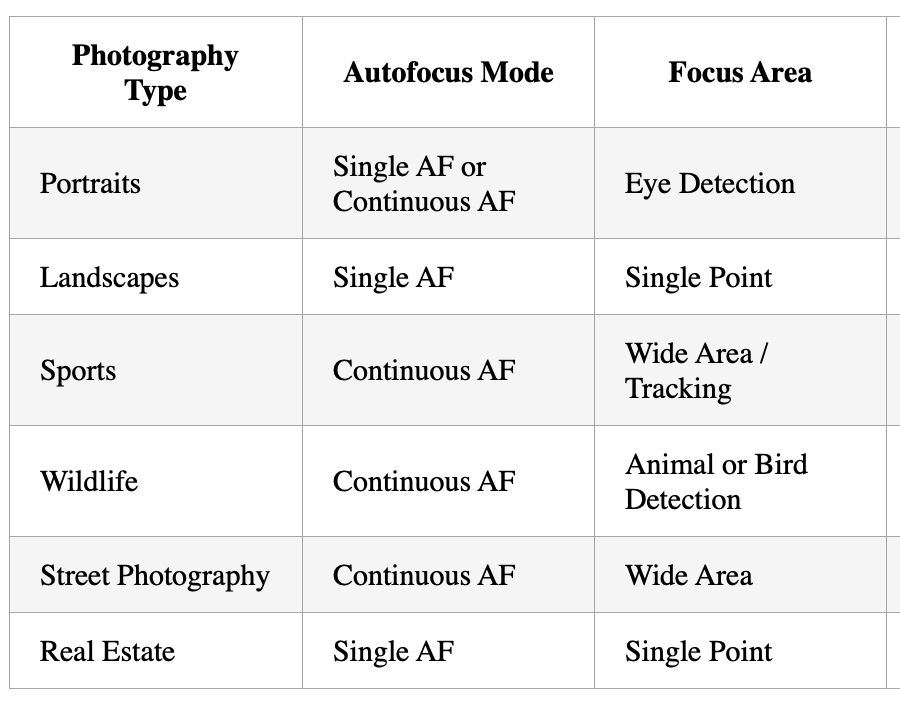
You do not need to memorize every autofocus setting buried in your camera menu.
Start simple:
Use Single AF for stationary subjects.
Use Continuous AF for movement.
Turn on eye or subject tracking when available.
That alone will improve your photography immediately.
When Autofocus Struggles
Even the best autofocus systems still struggle in certain situations:
Low Light
Autofocus needs contrast to work well. Dark scenes can cause focus hunting or missed shots.
Fog, Snow, or Low Contrast Scenes
Flat scenes without texture make autofocus systems work harder.
Shooting Through Objects
Fences, branches, windows, and crowds can confuse autofocus and pull focus away from your subject.
Macro Photography
At close distances, depth of field becomes razor thin, and manual focus often becomes easier and more reliable.
Learning when autofocus fails is just as important as learning when it works.
Final Thoughts
The truth is, autofocus doesn’t have to be complicated.
Most photographers improve dramatically once they stop leaving their camera on the default settings and start intentionally choosing autofocus modes based on the situation.
Photography gets a lot more fun when your images consistently come back sharp.
And once autofocus becomes second nature, you can stop worrying about technical settings and focus on the part that actually matters most: composition, timing, light, and storytelling.